How New York Times Bestselling Author Chris Guillebeau Wrote His Latest Book
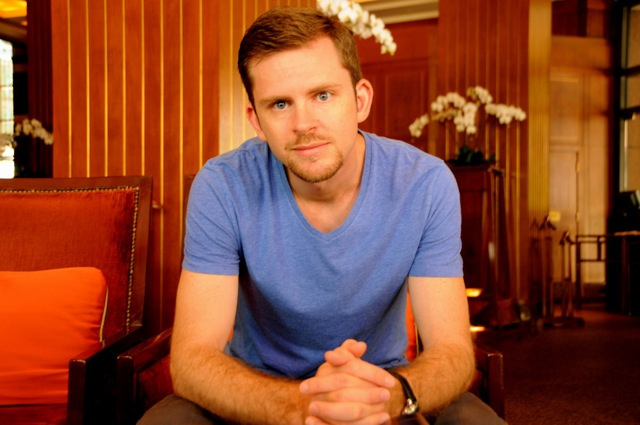
Several years back a colleague recommended Chris Guillebeau’s The Art of Nonconformity, which was a real eye-opener to me. The book challenges readers to think about unconventional ways of doing life and making a living, and honestly I’ve never been the same. I can draw a straight line from his book to the creation of Book Proposal Academy, for example. Another thing I learned from Chris is travel hacking, which is the practice of traveling without having to pay for it, or at least not having to pay very much for it. Travel hacking enabled my wife and me to fulfill one of my wife’s lifelong dreams: for our tenth anniversary we went to Switzerland, flying there for less than $300. So I owe a lot to Chris, and I’m grateful for his work. I’m particularly grateful for his latest book, The Happiness of Pursuit: Finding the Quest That Will Bring Purpose to Your Life. Chris traveled to every country in the world, all 193 of them, before age 35. Quite an accomplishment, but it was because of this project that he became interested in other people’s quests. This is a fun book not only because it inspires you to think about what your own quest could be. It’s also fun because of the great people you meet along the way, like a lady whose quest is to make 10,000 hand-knit hats or a guy who mastered all of MIT’s curriculum on his own in a year or another guy who ran 250 marathons in a year. As I read the The Happiness of Pursuit, I started jotting down questions I had about how Chris wrote his book. I took a chance, sent him the questions, and he wrote back! So I’m excited to bring you this interview. I hope you find it as interesting as I did. Chris, your first book was about doing life differently than culture’s predominant script. Your second was about entrepreneurism. How would you say your most recent book, The Happiness of Pursuit, relates to the first two? The new book is my most personal one. It’s essentially the story of quests, including my own and many others, along with a prescriptive message: pursuing a quest or embracing a life of adventure can bring purpose and meaning to your life, no matter who you are. Which came first: the structure and themes of the book or the stories? To what extent did you know the themes you wanted to cover even before you started story gathering? Great question. In this case it was a bit of both. I began writing with a structure in mind, but the structure often shifts as I gather data and conduct interviews. I knew I wanted to write about the lessons of quests and adventures, but in true quest fashion, a lot of things changed along the way. What was your biggest “Aha!” as you gathered material and wrote the book? Many people struggle with articulating their motivations for beginning a quest. It often begins as what they describe as “a crazy idea that wouldn’t leave me alone.” But over time, as they pursue their crazy idea, they gain confidence. The confidence comes through experience; it’s not a pre-existing condition. This is important because many people say they could never do something as incredible as some of the people I write about. But they can! They just need to start with an initial vision, even if it’s not fantastic in the literal sense of the word. Confidence comes through experience. [Tweet that!] How did you gather the stories? I put out the call far and wide, starting with my own community of 75,000 awesome people and eventually extending far beyond. I wanted to find a wide group of stories so that everyone could relate to someone or something. About how much of the content did you blog in one form or another before it made its way into the book? Very little. Maybe 5-10% maximum, sometimes for a sidebar or exercise, but always modified and edited for book publication. Writing a book is not like writing a blog. In general, do you thinking blogging a book is a good idea? I think it’s a terrible idea. Books and blogs are both wonderful mediums, but they are very different mediums. Most blog-to-book projects do not perform well commercially, and (perhaps more important) they aren’t very readable. Of course there’s a lot of overlap in the craft of writing, the need to engage with an audience over time, etc. But on a blog you don’t usually have to worry about the matter of building an arc or sustaining a narrative throughout 50,000 words or whatever. And if you forget about that imperative when writing a book, it’s not going to be a great book. What advice do you have for writers who are just getting started? Build habits into your life. [Tweet that!] Lots of people say “Think outside the box,” but don’t do that—construct yourself a box and get in it. Decide for yourself: “I’m going to be a writer, and here’s what that looks like. Every day I’m going to write x words. I’m going to share my life online”—if you so choose, of course—”and I’m going to work toward the deliverable of my first book, my first 50 posts, or whatever I set as my goal.” I’m sure you’re hearing a lot of people who say “Hey Chris, here’s what I’m thinking about for my quest….” and then they tell you what they have in mind. How do you typically respond? I usually say “That’s great.” I try not to be in the pattern of offering unsolicited advice. But if prompted for advice, I’m usually interested in understanding more about how they’ve set the parameters of the quest and what the structure is. Again, structure is your friend. In writing or questing or life in general, structure will help. What would you love to see happen as people read The Happiness of Pursuit? Here’s what I don’t want: I don’t want someone
3 Questions Publishers Will Ask about Your Next Book Project
For aspiring writers the “pub board meeting,” where book contracts are won and lost, is mysterious and even unnerving. “What goes on in there?” writers wonder. “What’s the conversation like?” For over ten years I’ve been attending publishing board meetings in an acquisitions role for a large book publisher. I’ve learned to anticipate the most likely questions I will receive as I present book projects to the team. If an author can address these questions compellingly, a publishing contract will be en route following the meeting. If not, the editor will send an email that includes that dreaded word “decline.” In this article I present the top 3 questions publishers ask when reviewing a book project. I then offer several different versions of the question and some advice related to each. Question #1: “Is This a Saleable Concept?” In other words: Do we think this book has a natural readership? How big is that readership? Is this book scratching an itch that people in the marketplace really have? Is the working title clever enough to grab people’s attention? What to do about it: Think of working titles and subtitles (I’m referring primarily to nonfiction books) as concept labels. Go through a rigorous process of brainstorming titles and subtitles. Brainstorm by yourself, then brainstorm with others. Finally, poll your friends to select and refine your title and subtitle. Want to learn more about how to come up with a great book concept? I recently collaborated with an artist to design an infographic that breaks this process down in a simple, step-by-step presentation. Many people have found it useful. Click here to download the infographic. Question #2: “What Is the Author’s Platform Like?” In other words: How much can we depend on the author to bring exposure to his or her own book? If we sent the author 5,000 copies of her book, could she move them? Does the author seem to understand the importance of building a tribe? How has his tribe grown over a period of time already? What’s the author’s plan for continuing to grow his platform? How does the author intend to leverage her platform in support of the book? What kind of business partner will this author be? What to do about it: Email, email, email. Focus on growing your email list. Solid tips for how to do this abound. For starters, see this post and this post. Question #3: “How Good Is the Writing?” In other words: Does this writing make me cry or laugh? Does it make me want to keep reading? Can I put it down? What to do about it: I remember signing a second memoir with an author before the first one released, which normally we just don’t do. I told the author “Your writing is so stunning, you’ve rendered our usual defenses useless. We’re yours if you’ll have us.” So it does happen, though it’s rare. Some of us have more natural writing talent than others, but regardless there’s no substitute for hard work. Writers: read well, then practice the B. I. C. method of honing your skill: Butt In Chair. (Want to tweet that?) Here I love to point people to a short video/recording of Ira Glass from This American Life. Pick one of these three areas—concept, platform, or writing. What’s one thing you could do this week in that area to get closer to publication?
How to Blog Your Way to a Bestselling Book [Podcast]
If you’re a blogger and haven’t discovered the Blogging Your Passion podcast by Jonathan Milligan, you’re in for a treat. Jonathan, a pro blogger himself, has a deep passion for helping bloggers take their blogs to the next level. He’s “been there, done that,” and he’ll show you how he did. Jonathan has become a good friend, even a mentor to me, so I’m delighted to let you know about him and his work. Interview about Blogging and Publishing I was honored for Jonathan to interview me about publishing and blogging a book on his podcast recently. If you’ve ever wondered about how to get your book published or how you could turn your blog into a book, I encourage you to listen to our podcast conversation.
Interview with Literary Agent, Author, and Blogger Rachelle Gardner, a Living Legend

I’m so pleased to bring you this Living Legends interview with Rachelle Gardner, a literary agent with Books & Such. Rachelle started blogging back before it was cool (I started after that) and has served thousands and thousands of writers over the years. She also has written her first ebook, with more to come. I encourage you to check out her blog at www.RachelleGardner.com. OK, let’s dive into the interview. I think you’ll enjoy hearing from Rachelle. Rachelle, lay it on us: What sort of author do you love to work with, and what sort would you prefer not to work with? This is a difficult question to answer because I work with many different kinds of authors, each uniquely individual, and I’m sincerely excited and grateful to be working with each and every one.
The Little Known Secret to Writing a Bestselling Nonfiction Book
How do you make it onto a bestsellers list? In this guest post at Author Media I discuss the key elements to writing a bestselling book, including a little known secret that can have a significant effect on book sales. Want to know more? Click here…
How to Craft a Winning Writing Sample for Your Book Proposal

Earlier this year I coached author and professor Gary Neal Hansen through the process of writing a book proposal. We covered every element of a typical nonfiction book proposal except the writing sample. This post will cover the writing sample. (To read the rest of the series, visit here.) Gary sent me his writing sample some weeks back, and as I’ve come to expect from Gary, it was a solid piece of work. I emailed him some feedback specific to his sample, but I couldn’t figure out a way to excerpt his sample and comment on it in a way that would be helpful within a blog post. So instead I’d like to offer the following guidelines to keep in mind as you put together your own writing sample. The rest is preamble. The rest of your book proposal is supportive material. Your writing sample is where you begin to actually execute the project. You’re not talking about the project here; you’re producing it. In many ways, then, the writing sample should be the diamond for which the rest of your proposal is the setting. In other words, do not neglect it. With some regularity my colleagues and I will review a proposal and say, “Wow, everything looked good until I got to the actual writing. Then the wheels came off.” Even if it means waiting several months before submitting your proposal, invest the time it takes to make sure your writing sample is compelling and well crafted. Long enough. Your writing sample should be a good-sized portion of your manuscript. Unless your chapters are really short, the introduction and first chapter are usually sufficient. Reading is an experience. To write, therefore, is to create an experience. It’s worth asking, what would I like the experience of reading my book to be like? Let the answer guide your writing. If experience A is what you’d like to create for your readers, what process will you need to follow in order to create that experience? I often refer to writers as experience architects, which is true. But they are also the engineers, the general contractors, and the construction workers for that experience, which brings me to the next point. Do the work. There’s no substitute for sitting down in your chair about the same time every day and writing. It’s hard work. It’s also rewarding work, but often the rewards come much, much later than we hoped. Never mind. If you know you’re called to this endeavor, do the work anyway. Get feedback. Somehow you have to plug into a community of supportive people who care about you and what you’re doing enough to give you some good feedback. The right reviewer can make all the difference in the world to how good your sample ends up being. Try asking a lot of people. Try buying lunch for the people whose feedback you would value most. Try paying someone to do it. Try offering to do the same in exchange for a writer friend or multiple writer friends. Do whatever it takes to get some insight into how to make your sample better. This feedback is important for the sample; it’s also important for the complete manuscript. So establishing a way to get feedback on the sample will help you later on. In short, the writing sample is where the rubber meets the road, where publishers get to glimpse your work. You might be able to fake a bio or the marketing section pretty well, but you can’t fake your writing sample. On the other hand, if you’ve done the work and are ready to go, your writing sample is where you get to shine. The above guidelines will give you your best shot at writing a sample that leads to a contract. How have you already begun to implement one of the above strategies? What are you doing this week that will help your writing sample shine? If you think this post would be helpful to others, would you help me share it? Working on a nonfiction book proposal? This post will help. <Tweet this!> Why the writing sample in your book proposal is so important, and how you can create a great one. <Tweet this!>
Interview with Literary Agent Esther Fedorkevich, a Living Legend
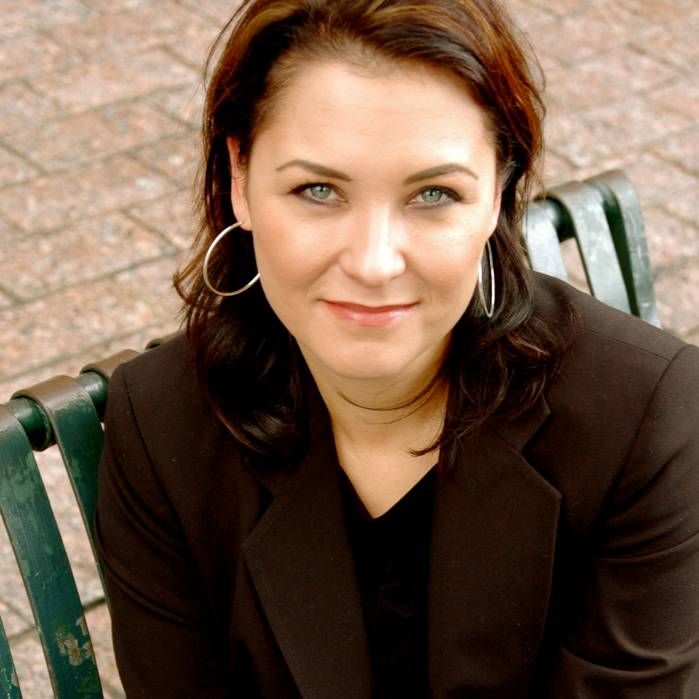
I couldn’t be happier to be interviewing literary agent Esther Fedorkevich of The Fedd Agency. Esther is a first-generation American, the daughter of Ukrainian immigrants born in Argentina and China — and she has that indefatigable immigrant spirit in spades. After breaking records selling Bible studies for Lifeway and then working for The Lampo Group, she learned from one of the best, Dave Ramsey, and set her sights on starting her own agency. That was ten years ago. Today The Fedd Agency is a bustling firm serving some of the top authors in the CBA industry. Esther is also the only agent I know who started a writers conference, Re:Write, which started last year in San Diego. Re:Write is an intimate conference with some of the best voices around. Definitely a highlight of my travel last year. This year Re:Write is in Esther’s hometown of Austin, taking place October 18-20, and it promises to be a powerful resource for writers, published or not. This year I look forward to speaking there! As announced last week, The Fedd Agency and I have teamed up to offer $120 off the regular registration price. To take advantage of this offer, register via http://rewriteconference.com/ and when prompted enter promo code ALLEN2013. This offer has been extended to July 15, 2013. Let’s get to the interview! I think you’ll enjoy hearing from Esther. And I’m very happy to ask her some of the questions that readers of this blog sent in. Esther, tell us about The Fedd Agency. What types of books do you represent? We represent all types of books, both fiction and non-fiction. The one common thread is that we always represent books that offer people hope and encouragement. Would you describe how you view your role as an agent? It’s more than just getting my clients a book deal. I work with my clients through the entire process and I love building and planning for a successful future in publishing. My greatest strength as an agent is really helping sell my author’s heart and passion and finding them champions with a publishing partner. I have this quote in my office from Mark Batterson: “WORK LIKE IT DEPENDS ON YOU and PRAY LIKE IT DEPENDS ON GOD.” I do that every day with my authors. My team and I, along with my authors, work 110 percent and then we pray like crazy. It’s a really great way to live your life, and I’m learning it is a great way to do business as well! What are you looking for and what are you sick of seeing? I am open to seeing everything, but I’m always looking for incredible stories – stories with impact, originality, and a new point of view. I really love working with authors that are great writers, which is something you cannot fake. As for what I’m sick of seeing, only one thing: really bad proposals. Please don’t send me a proposal that’s incomplete and not well thought out! Pretend you’re an aspiring writer who knows her field but does not have contacts in the publishing industry. How would you pursue representation from a literary agent? That’s a tough one, because it really depends on the size of your platform. If you are a first-time author who has no contacts in publishing, the best advice I can give you is to network, even (and especially) if it’s outside of your comfort zone. Meet people, talk to others, share your story, go to conferences like Re:Write, and connect with others that are trying to do the same thing you are doing. Networking is invaluable in the publishing industry; I can’t stress that enough. Beyond that, there are always ways to get in front of an agent. You just need to make sure you’re prepared and that you really believe you have something unique. I once had an author be so intentional that she went out of her way to make contact with one of the pastors I represent in her city. She convinced the pastor to read her book and then asked him to introduce her to me. I thought that was really a smart way to go about it. That pastor called me and said, “Esther, I read this proposal and met with this new author and I really feel like it’s something you should look at.” I take those kinds of referrals seriously, because it’s all about relationships. It turns out the pastor was right. I ended up signing that author, who is now working on her third book. Pretty cool, eh? What do you love about the work you do as an agent? What do you hate? I love talking to people. I’m on the phone 24-7. I’m BIG on relationships and I still believe you need to pick up the phone and talk with someone. I don’t hate any one thing about my job, but I’d say the most frustrating thing about my job is waiting on publishers. (Sorry Chad, but it’s true!) A reader asked the following question: It can take as much time and energy to find an agent as it does to get the attention of a publisher directly. How should an aspiring writer discern whether to pursue an agent’s representation? I think you will know when you’re ready. Yes, it’s sometimes really tough to get an agent and, more importantly, to find the right one. If you have a good platform, have a solid proposal, and are ready to talk to an agent, I suggest researching agents that you think would be a good fit for you. Go to their websites and find out what types of projects they represent. It’s important you find someone who believes in you — someone you think will represent you well. I had a first-time author that I passed on because they just didn’t have a big enough platform. I loved his idea, but gave him the advice to keep working on his platform, and to consider
Do You Have These Questions about Agents, Publishing, Writing, and Platforms?
Last fall I attended the inaugural ReWrite conference, a writers conference headed up by literary agent Esther Fedorkevich. It was one of the best writers conferences I’ve attended because of the quality of the speakers, the intimate atmosphere, and the access attendees had to great writers, editors, and agents. Author-in-his-own-right and moderator Jim Henderson interviewed a number of folks at the conference. I have the pleasure of releasing the interview he did with me on my blog today. Jim asked some great questions, including: How can agents be most effective? Do you prefer working through an agent or directly with an author? Do you and other people who work for traditional publishers feel threatened by the digital publishing revolution? What is the value of a traditional publisher in the current environment? Over what period of time have you seen ebooks become a significant part of your business? What percentage of your business is comprised by ebooks? What is the first thing you look at in a book proposal? How can a first-time author get past the need for a platform? In what cases is a platform less important than usual? What advice do you have for authors everywhere? If an aspiring writer wants to get published, how much time does she need to spend writing? One more thing! The folks at ReWrite and I teamed up to extend a $120 discount off registration at ReWrite this year. The discount is good through June, and this year’s conference promises to be even better than last year’s. Find out more at www.rewriteconference.com. Use discount code ALLEN2013 to take advantage of the offer. I hope the interview is helpful to you. I’d love to interact with you about it in the comments section. Possible tweets: “What is the value of a traditional publisher today?” and other such conundrums over here… <Tweet this!> “Where’s the first place an editor goes in a book proposal?” and other questions answered here… <Tweet this!>
Taking Your Questions for Agents, Editors, and Authors

Gary Neal Hansen (@garynealhansen) came up with a great idea the other day. He suggested asking you for questions that you’d like me to ask agents, editors, and authors. This is all part of what I’m calling the Living Legends series, where I interview an agent, editor, or author about anything from self-publishing to building a platform to . . . well, that’s where you come in! So go for it. Drop a question you’d like me to ask in a comment, and I’ll see what I can do. It might be helpful if you let me know whether your question is for an agent, editor, or author. Thank you. By the way, last month I interviewed agent Chris Ferebee (@caferebee), and a lot of people found it helpful, including me! Check it out here. ~~~~ Have a Twitter or Facebook account? I would love your help getting the word out… Hey, editor @chadrallen is interviewing agents and editors. What questions do you want him to ask? http://wp.me/p2FgGq-eu Tweet this! Got a question you wish you could ask an agent or editor? Let editor @chadrallen know here: http://wp.me/p2FgGq-eu Tweet this!
Interview with Literary Agent Christopher Ferebee, a Living Legend
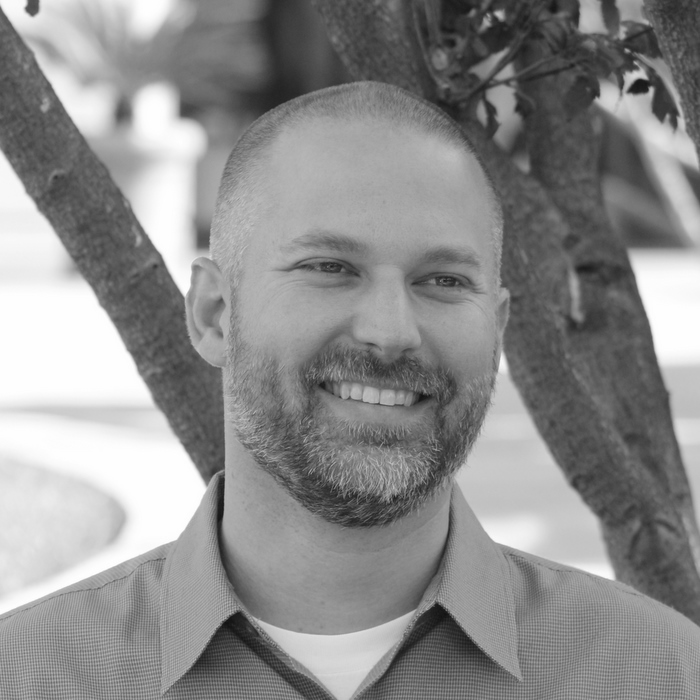
When I heard that readers of this blog wanted me to interview literary agents, one of the first people to come to mind was Christopher Ferebee (@caferebee). Chris is an experienced agent with a strong reputation. I think you’ll enjoy hearing from him. This interview kicks off what I’m calling the Living Legend series because each of the people I will interview is exactly that in my mind, a living legend. So without further ado let’s hear what Chris has to say. Chris, could you orient us to the kinds of books you represent? First and foremost, I don’t represent individual books. I seek to establish long-term relationships with creators of amazing content. It always starts with the content. I have represented fiction, non-fiction, young adult, and memoir, primarily from a Christian perspective. But the writing and the stories have to speak to me at a gut level or I won’t move forward. My job is to be a passionate advocate for my clients and if I don’t feel that when I engage with the story-telling, I won’t be able to do my job well. You’ve seen a lot of changes in publishing since you launched your career as an agent. What do you think have been the most significant developments in this industry? I believe there are two significant and related phenomenon happening right now; disintermediation and consolidation. Simply put, disintermediation is the removal of barriers in a supply chain of goods or services. With the rise of self-publishing options, the ongoing disappearance of bricks and mortar stores, and more and more savvy content providers, authors are connecting with their audiences directly and without going through the traditional channels of printing and distribution. While I do not believe this has been the primary challenge for publishers over the years, it is a growing one and the cumulative effect of various pressures is leading to the second phenomenon – consolidation. From the recent restructuring at Random House and Simon & Schuster, to acquisitions like HarperCollins’ purchase of Thomas Nelson and the impending merger of Random House and Penguin, significant consolidation among the publishers is taking place and will continue. Would you describe how you view your role as a literary agent? I believe most would be authors (and a lot of publishers) view the agent as a broker. “I have a book, you sell it to a publisher.” But I view my role as encompassing much more than that. The real value an agent can play is bringing their wide-ranging experience and knowledge of the industry as a whole, how different publishers operate, and your own experience with what has worked and what hasn’t to the publishing process for your authors. My goal is to make sure each project gets the amount of attention from the publisher it deserves. In the best case scenario, you have a strong advocate at the publisher that plays the role of shepherding a project through the process, but with the demands on everyone’s time, it isn’t always possible. The authors often don’t know what they can expect, and so the agent plays that role of championing the project through each stage on the way to publication. What in your mind does an author need to do to be successful in the current marketplace? In my 15 years, that answer hasn’t changed. The author needs a “platform.” What has changed is all the ways an author can develop that platform. You no longer have to have a successful television show or radio show, or lead a large organization. Anyone willing to do the hard work of developing compelling content, networking with other people in a given area of interest, seeking to add value to their audience, can grow a platform that will get publishers’ attention. But if the author isn’t bringing a built-in audience to the table, it’s tough to be successful in today’s publishing world. Would you tell us about a client of yours who you think serves as a good example or role model for aspiring writers? I would point to Margaret Feinberg, Jonathan Merritt and Shauna Niequist. All three have developed writing careers from the ground up. None of them lead an organization or had lightning strike with that huge bestseller out of nowhere making them a household name. They’ve just done the work of connecting with an audience day in and day out, writing consistently on their websites, hustling speaking engagements, taking freelance writing jobs for newspapers, magazines, other people’s websites. The old adage is true, it takes years of hard work to be an overnight success. I would encourage any author wondering how to break in to seek these three out. They’ve done the work. If an author wanted to pursue your representation, what should s/he do? I hate to say it, but this comes back to doing the hard work. Most agents receive hundreds and hundreds of unsolicited calls, proposals and submissions; the “slush” pile. Some agents religiously review these, but most do not because there just isn’t time. But I cannot tell you how seriously I take the recommendations of my friends, clients and colleagues in the industry. As you do the work of building a platform, connecting with others, developing your craft, you’ll start to meet people further down the path that will be willing to make introductions to their agent, editor, etc. This will get you in the door far faster than a hundred cold calls. What do you think makes for the strongest author-publisher relationships? Mutual respect. There are times that an author utterly fails to deliver. There are times when a publisher significantly drops the ball. And these times need to be called out. But 99% of the time everyone is doing the best that they can in their given circumstance. When you can believe the best about each other, believe that you’re pulling in the same direction, extend a little grace when necessary, things will go much smoother. We all have to prioritize